Linen vs Hemp Fabric: Which Is Better for Humid British Weather?
Two plant fibres, both centuries old, both sold as the answer to a sticky afternoon. Linen comes from flax, hemp from a close cousin in the same family, and on a humid day in Brighton or Birmingham they behave more alike than the labels suggest. The differences show up in smaller places: how a shirt feels after three hours on a packed train, how a bath mat smells after a week in a windowless bathroom, how a pair of trousers looks in year four.
What Actually Separates Linen from Hemp
Both are bast fibres, taken from the stalk of the plant, and both are mostly cellulose. That shared chemistry is why they share the same headline strengths: they breathe, they absorb moisture, they dry faster than cotton and they feel cool against skin.
The fibre itself differs. Hemp's individual fibres are longer and tougher; flax fibres are finer and can be spun smoother. Processing shapes the rest. Flax is traditionally retted in the field, then scutched and hackled. Hemp needs more work to separate the woody core from the fibre, which is one reason it turns up less often on UK shop rails than linen does.
Breathability and Moisture on a Muggy Day
Linen's flat, slightly hollow fibres and open weaves let air move through the cloth, and it releases absorbed moisture quickly — that combination is what makes it feel cool rather than merely light. Hemp handles moisture in a similar way, so the fibre alone is not the deciding factor.
Weight is. Hemp is often woven into canvas, twill and heavier jersey because those are the fabrics its strength suits. A hemp shirt at around 150–180 gsm breathes beautifully in July. A hemp canvas apron or tote bag will not, and was never meant to. So compare garments by weight and weave before you compare them by name.
The British humidity problem
Our summers are rarely scorching, but they are often damp, and high humidity slows the evaporation of sweat. Fabric that moves moisture and dries fast matters more here than raw coolness. Both fibres do this well. Hemp has one clear advantage in a British setting: it resists mildew. That counts for bath mats, laundry bags, kitchen cloths and anything that lives in a bathroom or gets packed away slightly damp. Linen is far more vulnerable — put it away wet and you may find grey speckling and a musty smell you cannot wash out.
Comfort, Texture and Creasing
New linen has a crisp, dry hand and visible slubs. It softens with every wash, and a good linen shirt becomes the nicest thing you own somewhere around its third summer. It also creases sharply. You either press it damp with a hot iron or you decide the creases are the point.
New hemp feels rougher, closer to rope than to shirt. It takes longer to break in — a dozen washes rather than three — and even then it stays a touch drier and more papery than linen. What hemp gives you in return is shape. It creases less dramatically, holds a line better and hangs with more structure, which is why it works so well for trousers, jackets and anything with a collar.
- For bedding and next-to-skin softness: linen wins, especially stonewashed linen.
- For structure and drape: hemp holds its shape better.
- For anyone who hates ironing: hemp is the lower-maintenance choice.
Durability — and the Damp Cupboard Problem
Hemp is generally the stronger fibre, with better resistance to abrasion, which is why it suits upholstery, workwear, aprons, bags and hard-wearing shorts. Linen is no weakling — flax has made rope for centuries — but it tends to fail at fold lines and seams after years of use, and it is more susceptible to mildew damage when stored damp.
In a country where a wet coat can sit in a cupboard for a fortnight, that distinction is practical rather than academic. Bathroom textiles, kitchen cloths, laundry bags, garden aprons: hemp. Shirts, dresses, bedding, summer trousers: linen, or a linen-hemp blend if you want softness sooner with a bit more strength behind it.
Sustainability: Two Good Options, Not One Winner
Both fibres leave polyester far behind, and both compare well with conventionally grown cotton on water and pesticide use. Flax grown in northern France, Belgium and the Netherlands is largely rain-fed, and the whole plant is used — fibre, seed, shives. Hemp grows quickly, roots deeply, improves soil structure and needs little in the way of chemicals.
The differences that matter sit further down the supply chain. How the fibre is retted and finished counts for a lot: water-retted and mechanically processed fibre is cleaner than material that has been chemically degummed. Look for European Flax, GOTS-certified hemp or OEKO-TEX Standard 100, and buy from brands that can say where the fibre came from. Remember that the largest share of a garment's environmental impact happens after you buy it, in the washing and drying. Cool wash, line dry, keep it for years.
How to Choose
- Start with the job. Bedding and shirts: linen. Bathroom and kitchen textiles, bags, upholstery: hemp.
- Check the weight. Under 180 gsm for anything you will wear in summer heat. Heavier hemp is for cooler months and hard wear.
- Consider a blend. Linen-hemp softens faster than pure hemp, creases less than pure linen and lasts well.
- Buy loose. Airflow around the body does more for comfort in humidity than any fibre label.
- Feel it first. If you can, handle the fabric before committing — hemp varies enormously between mills.
Living With Both in a British Climate
A few habits keep both fibres at their best, and they are the same habits whether you are dealing with a linen duvet cover or a hemp apron.
- Wash at 30°C on a gentle cycle with a low spin. High heat and hard spinning break fibres down.
- Skip fabric softener. It coats the fibre and reduces the absorbency you bought it for.
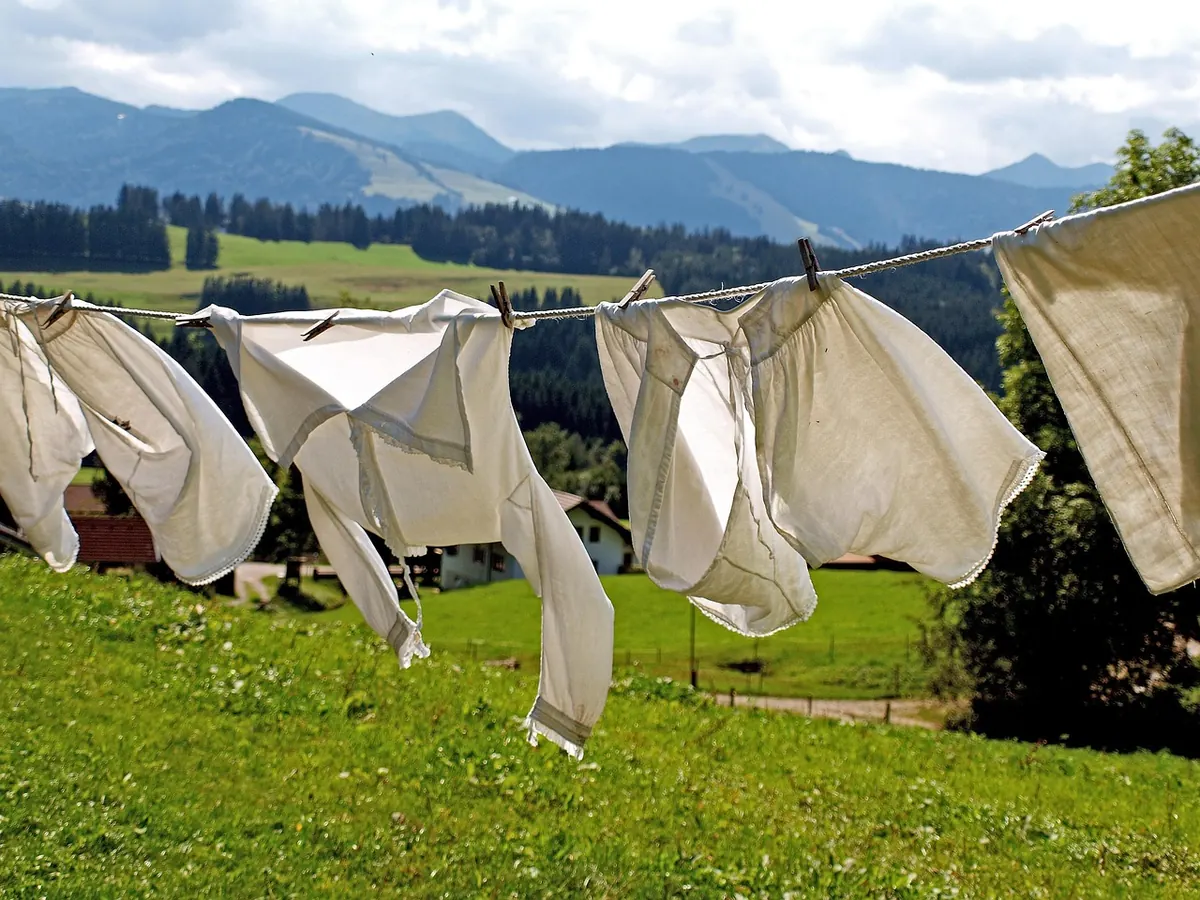
- Line dry in shade, or tumble on low for a few minutes if you want softness. Over-drying makes both fibres brittle.
- Store bone dry and loosely folded. Never in a sealed plastic bag, never in a cold damp cupboard.
- Iron linen damp on a hot setting. Press hemp on the reverse if you want to keep its texture.
- Rotate your favourites so each piece gets a rest between wears.
Neither fibre is the single correct answer. Linen gives you softness sooner and a look that improves with age; hemp gives you strength, shape and a fighting chance against a damp British bathroom. Choose by weight and by job, look after them simply, and both will outlast the weather.
Photo: Pexels / Pixabay