A Beginner's Guide to Building a Linen Capsule Wardrobe
Linen has a reputation problem in this country. It gets filed under holidays, heatwaves and other things Britain is supposedly short of. That is a shame, because between a cool morning in May and a sticky afternoon in September there are months of weather that linen handles better than almost anything else in the wardrobe. The trick is not to buy a lot of it. It is to buy a small number of pieces that agree with each other.
Start with the fabric, not the outfit
Linen behaves differently from cotton. It breathes, it moves moisture away from the skin, it dries quickly, and it creases. The crease is part of the deal rather than a fault, though you can soften it: a linen-cotton blend or a heavier weave will hold a fold far longer than a thin, loose one.
Weight matters more than most labels admit. Light weaves suit the hottest days and look best worn loose. Mid-weight shirtings and trouser weights hold a shape, which makes them the real workhorses from April through to October. Heavier, washed linen feels broken-in from the first wear and creases in a way that reads intentional rather than rumpled.
The pieces worth owning
A workable linen capsule is roughly six to eight items, and they should all be able to sit next to each other in the wardrobe without argument. This is the shape that works hardest:
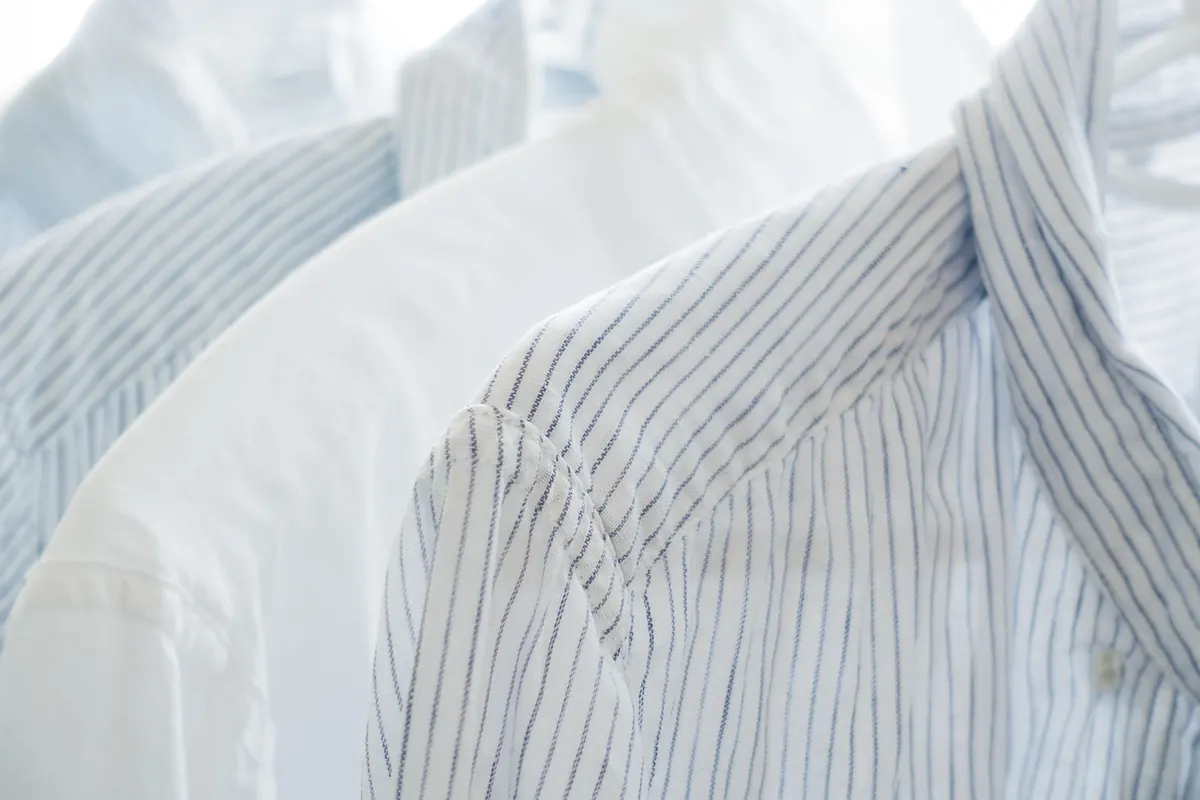
- Two linen shirts — one in off-white or natural, one in a colour you actually wear. Long-sleeved, with a collar you can wear open or buttoned.
- A linen T-shirt or short-sleeved top — the piece that saves you on the genuinely hot days.
- Linen trousers — a straight or wide leg in navy, stone or black. This is the single most useful item on the list.
- A linen midi skirt or dress — one, not four. Choose the length you will wear on a normal Tuesday, not a wedding.
- An overshirt or lightweight linen jacket — the layer that makes the whole thing work in Britain.
- Linen shorts — if you wear shorts at all. If you do not, spend the money on a better pair of trousers.
- A linen-blend knit — a cotton-linen jumper or cardigan covers the evenings when the temperature drops without warning.
Notice how little there is. Eight pieces can produce a fortnight of outfits once you start mixing, and fewer clothes means each one gets worn enough to soften properly.
Choosing colours that mix themselves
Build the base in neutrals and let one or two accents do the work. Natural, off-white, stone, oatmeal and navy will combine in almost any order. Navy is the quiet hero: it hides creases, survives a commute, and looks right in the evening.
Then add colour with intention. Olive, terracotta, faded denim blue and soft pink all sit comfortably against a neutral base. Two accents is plenty; three starts to feel like a collection rather than a wardrobe.
One practical note on pale tones. If you are self-conscious about visible marks on warm days, mid-tones, textures and prints are far more forgiving than pale grey or pale blue. There is no shame in choosing clothes that let you stop thinking about your clothes.
Layering for a British spring-to-autumn
Cool mornings
Start with a cotton vest or T-shirt against the skin, then a linen shirt over it, then a linen overshirt on top. Three thin layers trap more warmth than one thick one, and you can shed them one at a time as the day warms up.
Warm afternoons
Drop to the shirt or the T-shirt alone, and let the linen sit away from the body rather than clinging. A looser cut is cooler and looks better in creases.
Evenings and grey days
Linen under a cotton knit works well — the linen keeps you from overheating indoors, the knit handles the drop in temperature outside. For rain, linen is not your friend, so keep a cotton trench or a light cotton-cashmere coat as the outer layer and let the linen stay underneath.
A matching linen shirt and trouser in the same tone reads as a set, which is a genuinely useful trick for summer events. Break it up with a cotton tee, a woven belt or a pair of canvas trainers so it does not look like a uniform.
What to check before you buy
- Read the composition. "Linen blend" can mean almost anything, so check the percentage. A little viscose or cotton can improve drape and reduce creasing; a lot of polyester usually means you lose the breathability that made you want linen.
- Hold it up to the light. Very thin linen goes transparent and loses shape quickly. You want a weave with a bit of body.
- Look at the seams and the buttons. Good linen is often cut generously, so the seams have to be finished well or they will pull.
- Assume a little shrinkage. Wash cool from the start and the piece will keep the fit you bought.
Looking after it
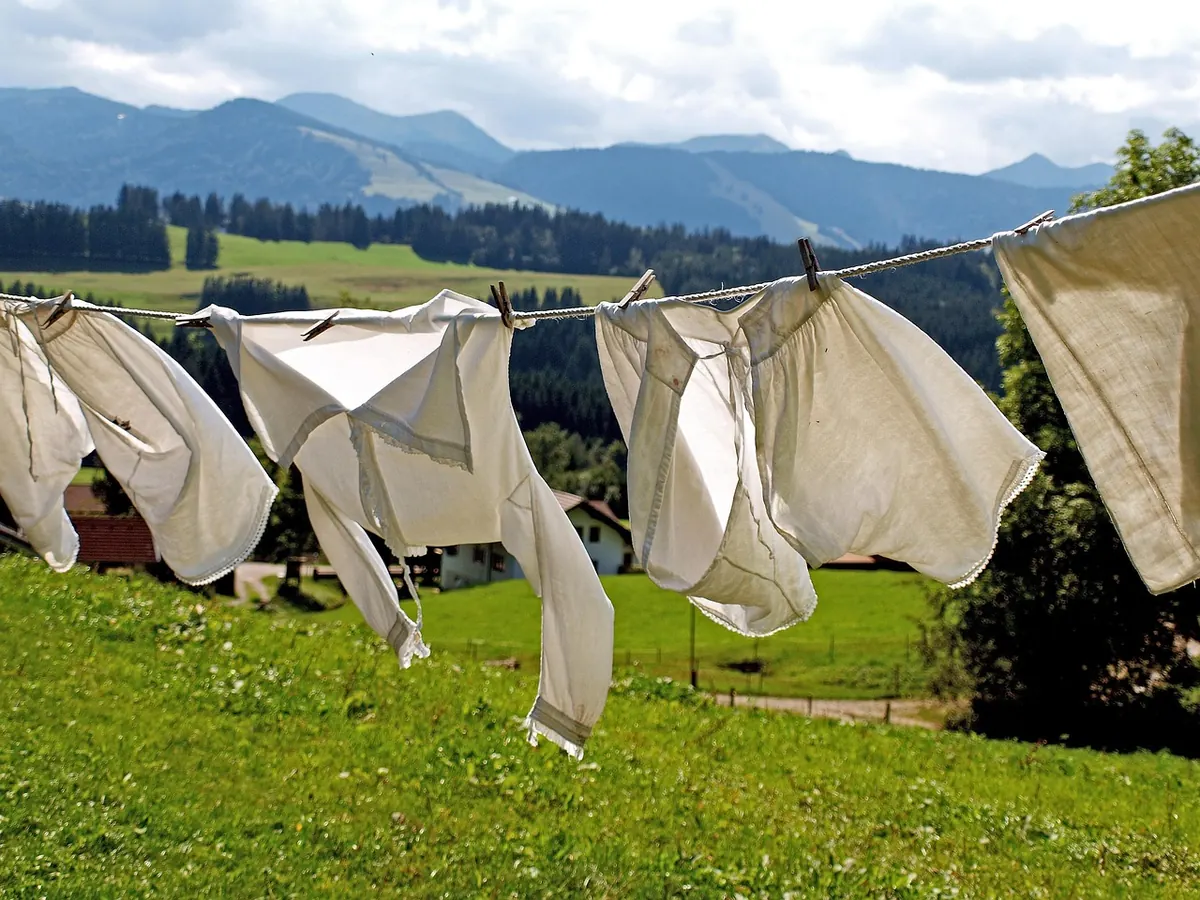
Wash linen at a low temperature with similar colours, skip the fabric softener — it coats the fibre and reduces the very breathability you paid for — and dry it on a line in the shade rather than in a tumble dryer. Shake it out while it is still slightly damp. If you want a crisp finish, iron it damp on the reverse; if you would rather not, hang it up and let the creases settle where they fall. Linen gets softer with every wash, so the shirt you buy in May will be a better shirt by August.
Between wears, air linen rather than washing it. Fold knits and delicate pieces flat; hanging them stretches the shoulders.
How to start this month
Do not buy eight things at once. Buy one mid-weight linen shirt in off-white or navy, wear it over a cotton vest for a week, and see how you feel about the creasing and the weight. If it works, add the trousers. Then a second shirt in a colour. Build the capsule one piece at a time, over a spring and a summer, and by next September you will have a wardrobe that covers most days without a single item you regret.
Photo: wilhei / Pixabay