Common Mistakes to Avoid When Buying Linen Clothing Online
Linen is one of those fabrics that photographs beautifully and behaves differently on every body. Two shirts can both say “100% linen” on the label and still feel like entirely different garments — one crisp and airy, the other heavy and stiff. The gap between the product page and your front door is where most linen disappointments happen, and nearly all of them are avoidable with a handful of checks before you pay.
Fabric Weight: The Number Most Listings Hide
Weight is the single most useful figure a linen listing can give you, and it is usually the first thing omitted. It is measured in grams per square metre (gsm), and it tells you far more about how a garment will feel than the words “premium” or “luxury” ever will.
As a rough guide, shirts and summer dresses tend to sit around 120–150 gsm, midweight pieces around 160–200 gsm, and trousers, overshirts and jackets often run from 200 gsm upwards. Lightweight linen is cool and breezy but clings, shows every crease and can go sheer in bright sun. Heavy linen holds a sharp line and drapes well, but the same weight in a July shirt will feel like wearing a coat.
Some makers, particularly Irish linen mills, still quote weight in ounces per square yard. If a listing gives no figure at all, message the seller and ask. A retailer who knows their stock will answer in a sentence. One who can’t is telling you something useful too.
Weave Matters as Much as Weight
Linen comes in several weaves, and they crease, drape and wear quite differently.
- Plain weave — the classic. Crisp, breathable, creases sharply, and the most common choice for shirts.
- Twill — a diagonal structure with more drape and a little more resistance to creasing. Excellent for trousers and structured pieces.
- Satin or sateen weave — smooth with a soft sheen, but more prone to snagging on jewellery and rough surfaces.
- Herringbone and basket weaves — textured, characterful, and often used for jackets and heavier shirts.
Also check whether the fabric has been washed or softened. Garment-washed linen arrives with a relaxed, slightly rumpled handle. Crisp, unwashed linen feels starchy at first and softens only after several washes at home.
Trust the Tape Measure, Not the Size Label
Sizes vary wildly between brands, and linen is often cut generously. The reliable method is to ignore the label and compare flat measurements instead. Find a shirt or pair of trousers you already like, lay them flat, and measure them. Then hold those numbers against the listing’s own chart.
The measurements worth checking:
- Pit-to-pit, doubled for the full chest
- Body length, from the highest shoulder point to the hem
- Shoulder width and sleeve length
- Waist, hip and rise for trousers, plus inseam
One quirk of linen is that it relaxes as you wear it. A shirt that fits neatly while stiff can feel noticeably looser by mid-afternoon, and a waistband that is comfortable in the morning may sit differently after a warm day. If you are between sizes and want a close fit, size down; if you want the relaxed look linen does so well, take your usual size and let it move.
Photos Won’t Warn You About Transparency
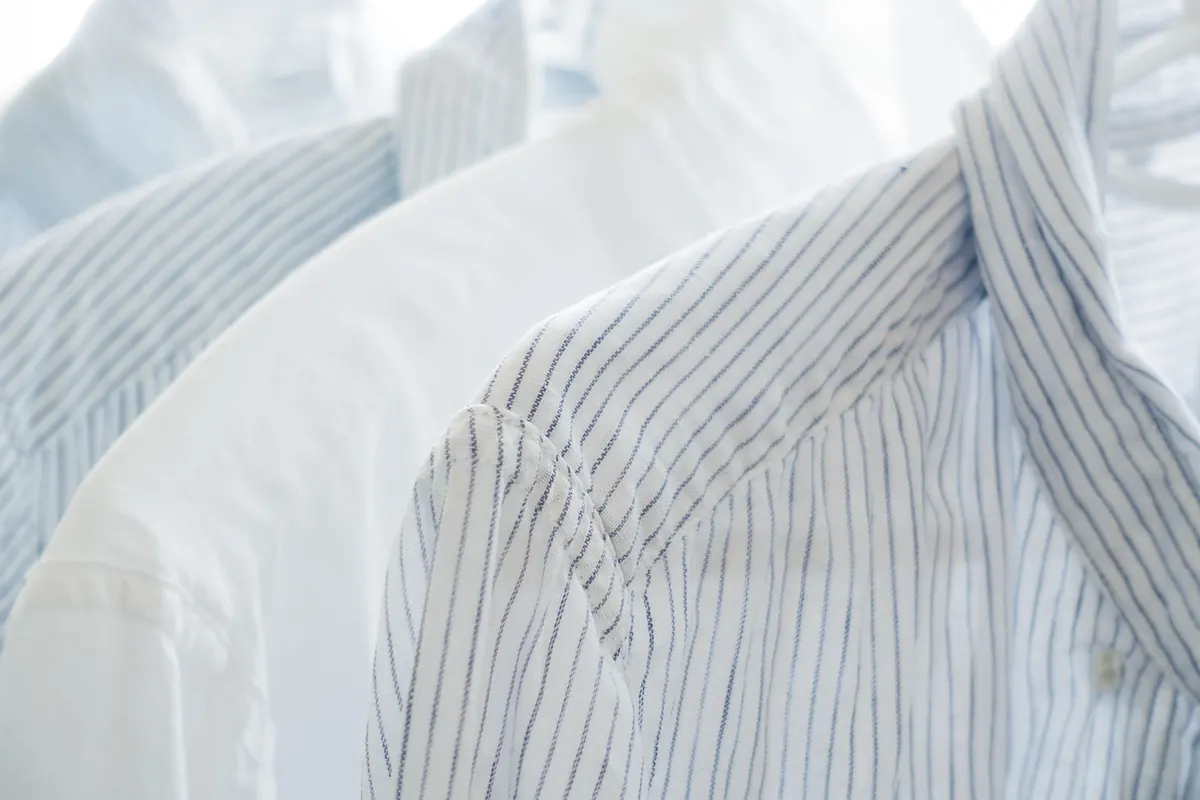
Pale, lightweight linen in a plain weave is frequently semi-sheer, especially in white, cream and soft pastels. Studio photography uses flash and backlighting that hides this completely. Read the reviews for phrases like “see-through”, “needed a camisole” or “fine in the shade, not in sun”, and look closely at any image taken outdoors in daylight.
Colour is the other trap. Undyed natural linen is a greyish beige rather than a clean cream, and dyed linen takes colour softly, so the shirt in your hand may look a shade duller than the one on screen. Screens differ too. If the exact tone matters, ask for an unedited photo in natural light before ordering.
Expect Shrinkage Unless It Says Pre-washed
Unwashed linen can shrink, particularly the first time it meets hot water or a tumble dryer. Many makers pre-wash or pre-shrink their fabric, and reputable listings say so. If yours doesn’t, assume some movement and treat the garment gently: cool or lukewarm wash, mild detergent, no dryer, and line dry in the shade. Iron while still damp if you want a smoother finish, or embrace the creases and skip it entirely.
Linen does soften beautifully with age. It also fades slowly and can thin at stress points, so heavier weights are worth the extra cost for anything you plan to wear hard.
Read the Returns Policy Before You Click Buy
Online clothing is a guessing game until the parcel arrives, so the returns terms are part of the product. Check the window, who pays return postage, whether washed or worn items are accepted, and whether sale pieces are excluded. Some shops offer exchange only, and a few charge a restocking fee.
Under UK consumer rules, most online orders come with a 14-day right to cancel from the day the goods arrive, with some exceptions. The practical detail — postage, condition, timing — lives in the retailer’s own policy, so read it before ordering rather than after. This is general guidance rather than legal advice; if a dispute stalls, Citizens Advice or your local trading standards service can point you towards proper help.
A Short Checklist Before You Order
- Find the fabric weight in gsm, or ask for it.
- Note the weave and whether the linen is washed or crisp.
- Compare flat measurements with a garment you already own.
- Search the reviews for transparency and shrinkage comments.
- Confirm the returns window, condition rules and return postage.
- Check the care label expectations: cool wash, no dryer.
Do those six things and linen becomes one of the easiest fabrics to buy online. It is forgiving, long-lasting and only improves with wear — provided you know what is actually arriving.
Photo: KaoruYamaoka / Pixabay